Welcome to our AgHub! Our goal is to share the breadth and depth of our commitment to equipping you with useful information and practical solutions that help you reach your sustainability goals. Whether you are focused on crop quality and yield or ways to improve soil health, we hope you find the tools and resources you need. You can navigate the site by scrolling below or you can Jump to Categories above.
There has been outrageous weather in parts of our nation this year. “Bomb cyclones” were dropping hsnow and unleashing winds. Historically huge snowstorms paralyzed all transportation and interfered with daily tasks. Cold-paralyzed iguanas were falling from trees in Florida!
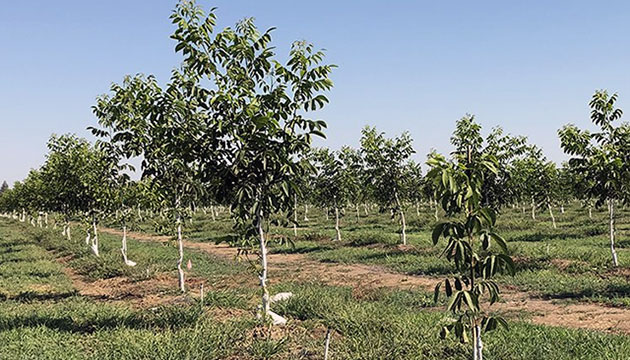
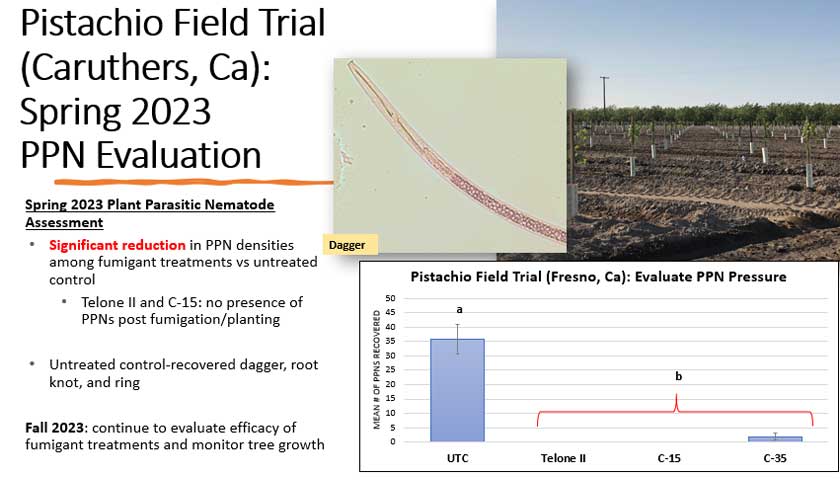
Read MoreThis past Fall we established 2 multi-year field trials in California. Our main objective is to examine the benefits of TELONE™ and Chloropicrin providing early rootstock establishment, promoting early growth, and stronger root systems as we have documented in other crop markets.
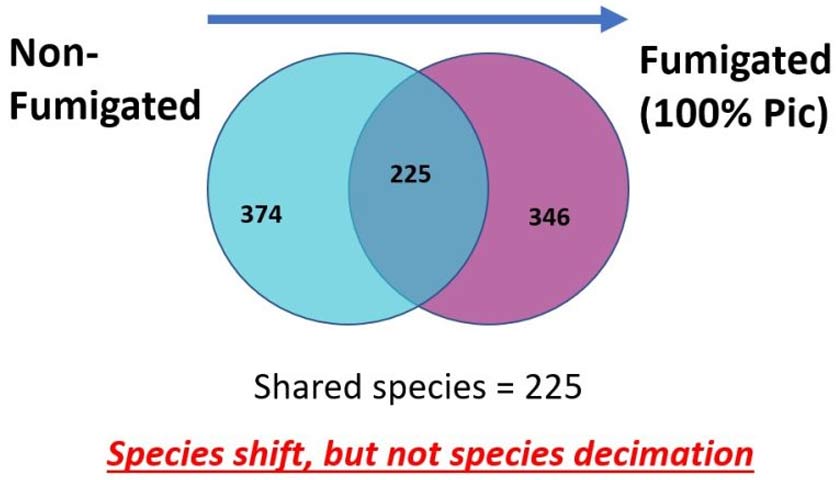
What the studies conclusively show is that in the weeks and months following soil fumigation with chloropicrin, soil microbial communities (bacteria and fungi) shifted in remarkable and quantifiable ways.
There has been outrageous weather in parts of our nation this year. “Bomb cyclones” were dropping hsnow and unleashing winds. Historically huge snowstorms paralyzed all transportation and interfered with daily tasks. Cold-paralyzed iguanas were falling from trees in Florida!
As Steve Koike enters retirement, we’re honored to spotlight his lasting impact on plant pathology. The TriCal blog highlights Steve’s decades of leadership, service, and contributions to the agricultural community, including his time with UC Cooperative Extension and TriCal Diagnostics.
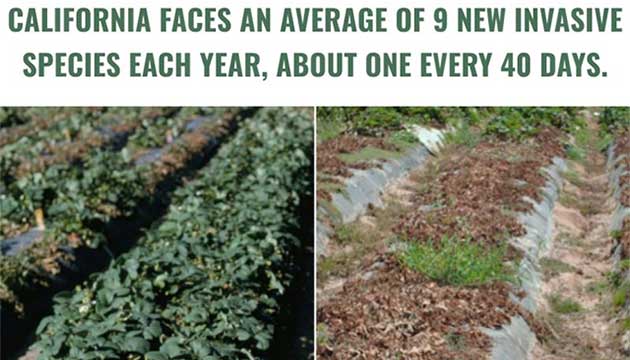
California faces an average of 9 new invasive species each year, living below the soil surface, quietly impacting crops long before problems become visible. As part of a broader soil health strategy, soil fumigation can help manage certain soil-borne pest pressures.
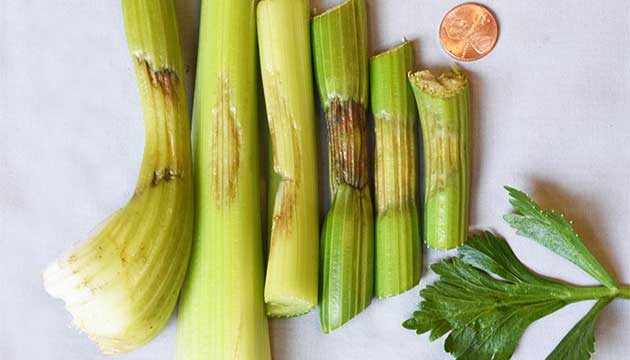
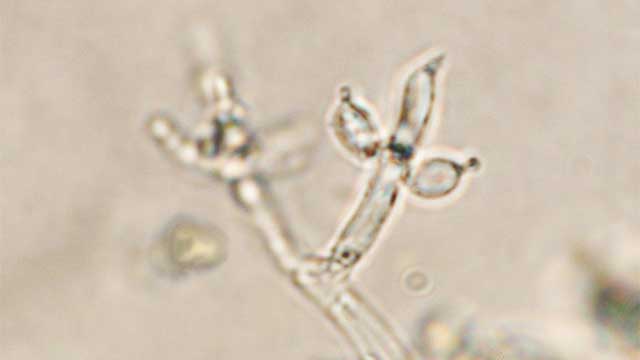
“New” is not a word you want to see associated with “vegetable disease concerns.” Growers, production advisors, and field professionals are periodically faced with new and unfamiliar diseases. Researchers have an established protocol for proving that a problem is a new one.
The California Department of Pesticide Regulation (CDPR) recently reported the results of a study conducted in Stanislaus County on air concentrations of three soil fumigants. No measurements exceeded 4% of the regulatory threshold, meaning there was no impact from the application of these fumigants.
We’ve always known Strike works. Season after season, growers tell us what they see in their fields: healthier plants, better root systems, and stronger yields. What’s happening beneath the surface? Not just in terms of pest control, but in the living biology of the soil itself?
Plant diseases are one of the most challenging obstacles facing growers. A biological reality is that if a farmer grows the same crop too many times, and if the farmer puts in the same crop too often over a short period of time, pathogens will be harder to manage.
As spring approaches, it’s essential to prepare fields for planting by effectively managing soil-borne pests, particularly nematodes. This blog post outlines steps to ensure successful fumigation, including soil sampling, using pre-application checklists, and monitoring soil moisture levels.
Yet another novel medical development is threatening people in some regions of the U.S. This concern is a Neisseria bacterium that is responsible for meningitis and bloodstream diseases. The “new” is a particular Neisseria strain that causes unusual, atypical symptoms.
A group of scientists at the University of Florida have been investigating the impact of soil fumigation on microbial communities and recently published some of their findings. They found that fumigant treatments with greater than 60% chloropicrin consistently increased tomato yield
Using biological agents to help manage plant diseases is no longer a novel concept. Research on biological candidates, development of biological products, and deployment of such materials in agriculture have been occurring for a long time.
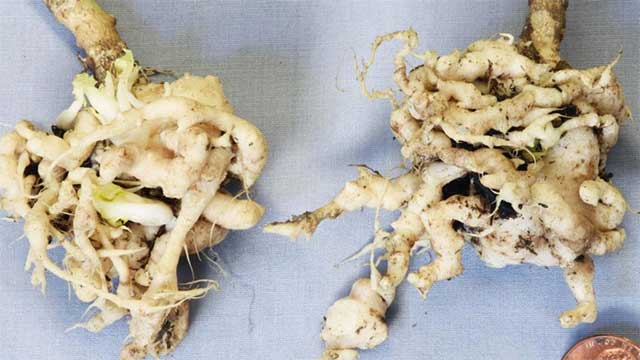
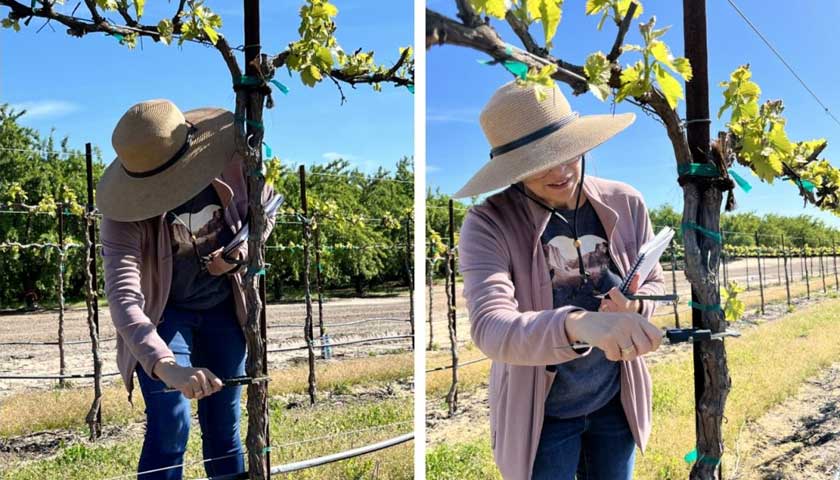
It was an honor to get invited by one of our Scientists, Dr. Kristi Sanchez. It was remarkable to see her in action out in the field, doing what she does best: helping diagnose nematode issues and providing support to growers throughout the Central Valley.
The DPR released the 2021 California Pesticide Residue Monitoring Program Report showing that 97% of produce collected in 2021 had no detectable pesticide residues. More than 98% of “grown in California” produce had no residues that exceeded allowable levels.
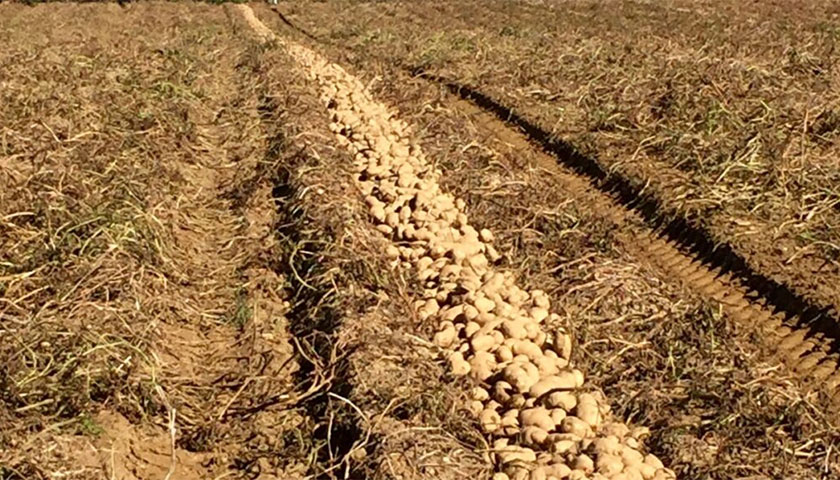
Red Potato Trial using different rates and applications methods of chloropicrin. In this video we explain the different soil compaction rates seen in different application methods.
Triest Ag's agronomist, Josh Mays, was back out in the peanut field in Marion, SC recently doing some of the final evaluations on TriEst's soil fumigation trial. The peanuts were freshly turned and drying for harvest.
South Australian capsicum grower Andrew Braham, explains his approach to soil health and how TriCal Australia have helped him to improve his soils.