Steve Koike
How To Distinguish Weather-Related Crop Injury From Disease
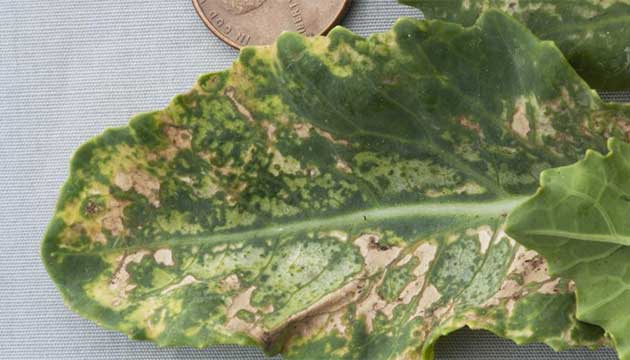
There has been outrageous weather in parts of our nation this year. “Bomb cyclones” were dropping hsnow and unleashing winds. Historically huge snowstorms paralyzed all transportation and interfered with daily tasks. Cold-paralyzed iguanas were falling from trees in Florida!
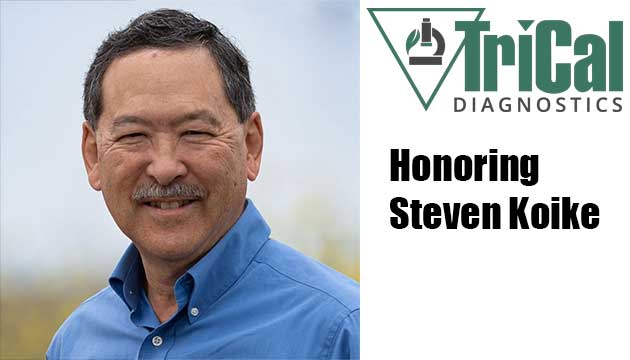
Honoring Steve Koike
As Steve Koike enters retirement, we’re honored to spotlight his lasting impact on plant pathology. The TriCal blog highlights Steve’s decades of leadership, service, and contributions to the agricultural community, including his time with UC Cooperative Extension and TriCal Diagnostics.

Steve Koike is retiring from TriCal Diagnostics
After eight years of exceptional leadership, renowned plant pathologist Steve Koike is retiring from TriCal Diagnostics. We’re proud to share that Dr. Hanane Stanghellini, will continue this legacy of excellence. Same team. Same methods. Same commitment to the agricultural community.
Discovering New Vegetable Diseases Always a Work in Progress
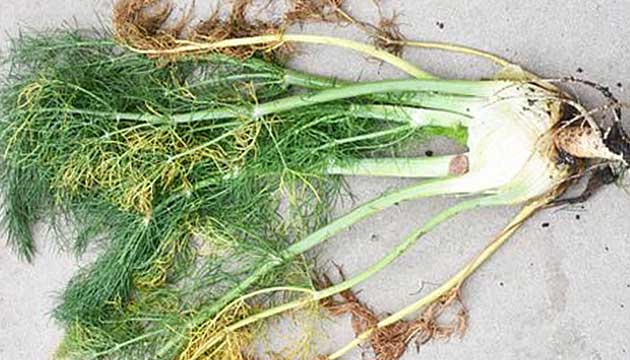
“New” is not a word you want to see associated with “vegetable disease concerns.” Growers, production advisors, and field professionals are periodically faced with new and unfamiliar diseases. Researchers have an established protocol for proving that a problem is a new one.
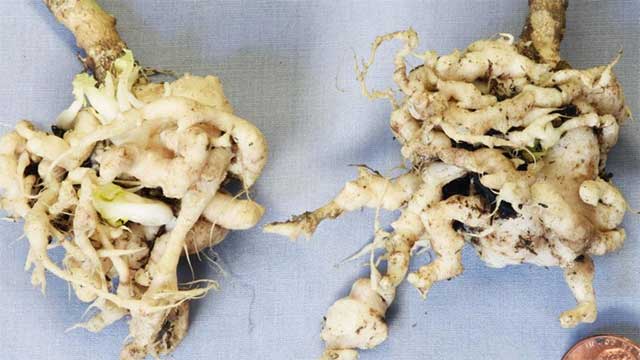
More Effective Disease Control in Your Vegetables via Crop Rotations
Plant diseases are one of the most challenging obstacles facing growers. A biological reality is that if a farmer grows the same crop too many times, and if the farmer puts in the same crop too often over a short period of time, pathogens will be harder to manage.
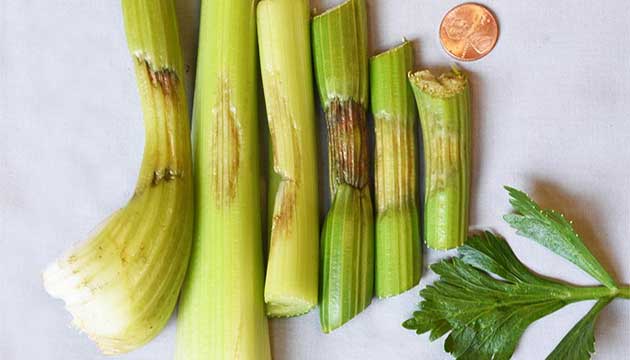
Unexpected Vegetable Disease Issues Can Lead to Unusual Findings
Yet another novel medical development is threatening people in some regions of the U.S. This concern is a Neisseria bacterium that is responsible for meningitis and bloodstream diseases. The “new” is a particular Neisseria strain that causes unusual, atypical symptoms.
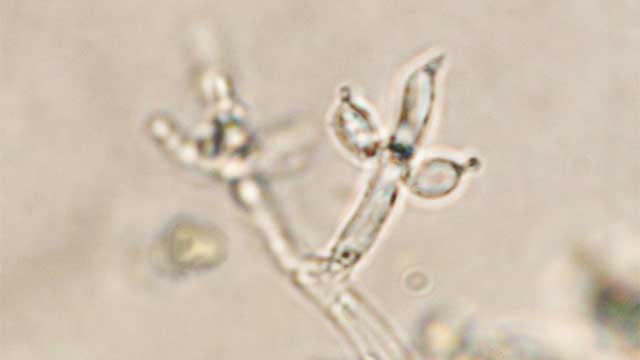
Criteria for Successful Biocontrol Candidates on the Farm
Using biological agents to help manage plant diseases is no longer a novel concept. Research on biological candidates, development of biological products, and deployment of such materials in agriculture have been occurring for a long time.


- Dean Storkan, TriCal President