AGRONOMY HUB

Tools and resources for functional sustainability.


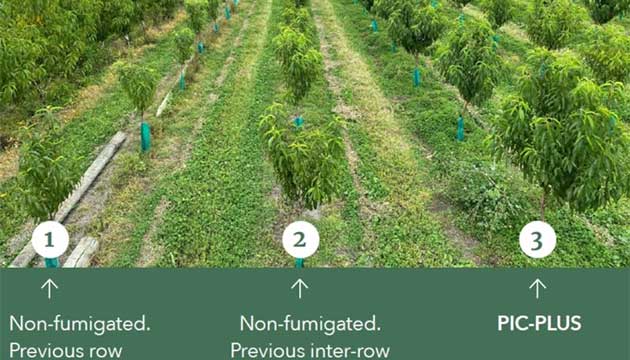
One Easy Change Can Double Soil's Good Guys

A recent trial shows that one simple change with Strike™, powered by Chloropicrin, can double the beneficial microbes in your soil, helping boost root growth, suppress disease, and improve overall plant resilience.

1/29/2026
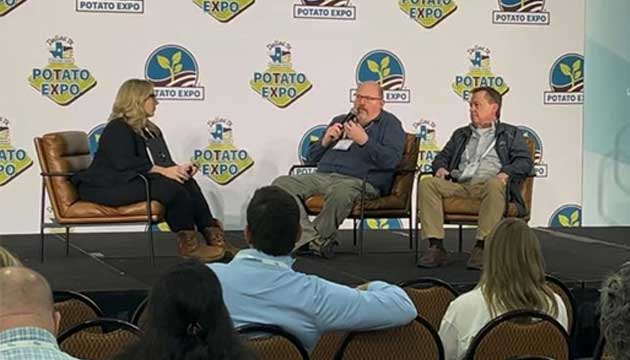
Chad Hutchinson speaks at the Potato Expo 2026

TriCal Group's Chad Hutchinson said he was honored to join a panel on potato quality at Potato Expo 2026 alongside Jeff Douglas and Aimee Nielson. They discussed why marketable yield is the real metric that matters, and how managing quality requires a systems view—from genetics and moisture management to soil pH, biology, and targeted chemistry.

1/26/2026
Honoring Steve Koike

As Steve Koike enters retirement, we’re honored to spotlight his lasting impact on plant pathology. The TriCal blog highlights Steve’s decades of leadership, service, and contributions to the agricultural community, including his time with UC Cooperative Extension and TriCal Diagnostics.

1/21/2026
Greenhouse Capsicum Trial on the Adelaide Plains

A greenhouse capsicum trial on the Adelaide Plains evaluated the effectiveness of pre-plant soil fumigation with Strike 60 for managing Root Knot Nematodes and improving crop performance. Weekly soil testing was conducted to measure nematode suppression and crop response under controlled greenhouse conditions.

1/19/2026
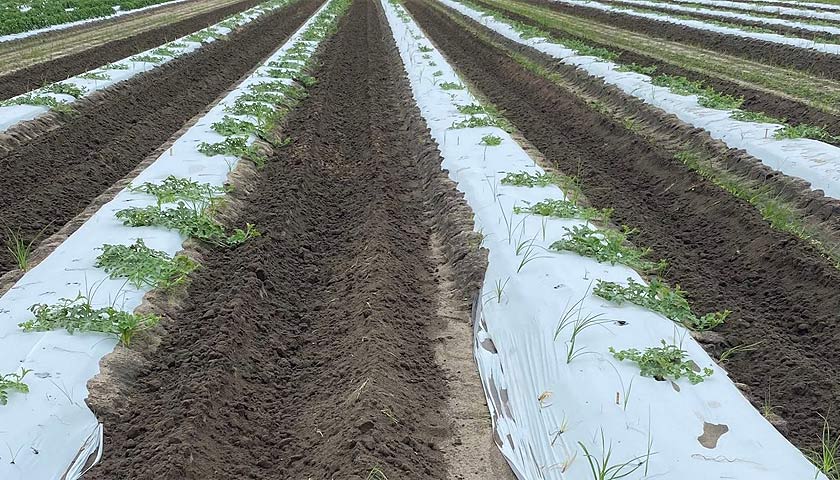
Plasticulture Basics Part 2: Broadcast Film and Barrier Technology in Soil Fumigation

While row mulch is installed on individual planting beds, broadcast film is used differently. Broadcast film plays a critical role in soil fumigation programs, particularly in large-scale cropping systems where uniform treatment is essential.

4/1/2026
Plasticulture Basics Part 1: Understanding Row Mulch in Agriculture

Plasticulture Basics Part 1 breaks down the role of row mulch in improving soil conditions, moisture retention, and overall crop performance.

Get the insights you need to choose the right solution for your operation.

3/31/2026
How To Distinguish Weather-Related Crop Injury From Disease

There has been outrageous weather in parts of our nation this year. “Bomb cyclones” were dropping hsnow and unleashing winds. Historically huge snowstorms paralyzed all transportation and interfered with daily tasks. Cold-paralyzed iguanas were falling from trees in Florida!

3/9/2026
UNC Davis Reveals Findings about PCAs

In a recent op-ed in West Coast Nut Magazine, Renee Pinel, of Western Plant Health (WPH), puts long-standing claims about California agriculture to the test. Narratives have shaped public perception and fueled regulatory scrutiny at the California Department of Pesticide Regulation and legislative activity.

2/5/2026
Plasticulture Basics Part 2: Broadcast Film and Barrier Technology in Soil Fumigation

While row mulch is installed on individual planting beds, broadcast film is used differently. Broadcast film plays a critical role in soil fumigation programs, particularly in large-scale cropping systems where uniform treatment is essential.

4/1/2026
Why Ongoing Learning Pays Off - Season After Season

A recent blog from Strike Fumigants by Chad Hutchinson reinforces something we see across regions and seasons: some of the biggest gains happen in the off-season. The post-harvest window creates space to evaluate what worked, identify small adjustments, and strengthen decisions for the year ahead.

3/19/2026
Catalyst-Activated Cycle (CAC) – Manuscript 1: Soil Pathogen Suppression and Controlled Microbial Reset

The Catalyst-Activated Cycle (CAC) establishes a regenerative systems framework that links soilborne disease suppression with measurable agronomic, economic, and environmental outcomes through controlled microbial renewal.

1/21/2026
Catalyst-Activated Cycle (CAC) – Manuscript 2: Microbial Succession and Functional Recovery in the Rhizosphere

This second paper quantifies how microbial succession reorganizes soil ecosystems following catalyst application and how that reorganization generates functional and climate benefits. Soil communities transitioned predictably from pathogen-dominated to resilient networks.

1/21/2026
Catalyst-Activated Cycle (CAC) – Manuscript 3: Field Efficacy, Grower Integration, and System-Level Benefits

Manuscript 3 demonstrates verified field performance and grower integration. Catalytic chloropicrin treatments increased marketable yield by 25 %, confirming that microbial reorganization drives durable functional stability.

1/21/2026
Catalyst-Activated Cycle (CAC) – Manuscript 4: Quantification and Climate Transition

This fourth paper quantifies the dual climate benefits of the Catalyst-Activated Cycle (CAC). Field-verified data demonstrate that catalytic microbial resets generate both Sequestered Emissions (SE) through necromass stabilization in mineral-associated organic matter.

1/21/2026
Potatoes Following in Strawberries’ Footsteps, But Can Potatoes be as Nimble?

The parallels between where we are in the potato industry today compared to where California’s strawberry industry was in the 1950s are quite amazing. Strawberries are very sensitive to verticillium. Do I think chloropicrin is coming in potatoes? Absolutely.

9/27/2023
Soil to Substrate: Key Irrigation and Fertigation Ideas for Long Cane Raspberries

PH is key in a soil system for berries. Traditional soil production for soft fruit crops is a buffered system that is slow to change. Think of substrate as a high risk, high reward type system where your attention to detail is very important.

6/13/2023
Why Ongoing Learning Pays Off - Season After Season

A recent blog from Strike Fumigants by Chad Hutchinson reinforces something we see across regions and seasons: some of the biggest gains happen in the off-season. The post-harvest window creates space to evaluate what worked, identify small adjustments, and strengthen decisions for the year ahead.

3/19/2026
UNC Davis Reveals Findings about PCAs

In a recent op-ed in West Coast Nut Magazine, Renee Pinel, of Western Plant Health (WPH), puts long-standing claims about California agriculture to the test. Narratives have shaped public perception and fueled regulatory scrutiny at the California Department of Pesticide Regulation and legislative activity.

2/5/2026
One Easy Change Can Double Soil's Good Guys

A recent trial shows that one simple change with Strike™, powered by Chloropicrin, can double the beneficial microbes in your soil, helping boost root growth, suppress disease, and improve overall plant resilience.

1/29/2026
Why California Agriculture is Losing Ground

California feeds the country—and much of the world—but doing so is becoming increasingly difficult. Recently, on AgNet West Radio Network's Ag Meter, host Nick joined Damian Mason to dig into why America’s leading agricultural state is struggling to sustain and protect its growers.

1/22/2026
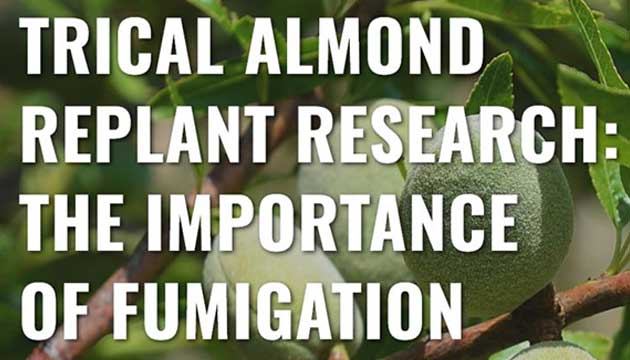
TriCal Almond Replant Research: The Importance of Fumigation for Growers

Nematodes can severely impact almond orchards in California, especially in replant situations where Prunus Replant Disorder affects up to 60% of plantings. Soil fumigation helps reduce nematodes, promote root development, and support long-term orchard performance.

1/15/2026
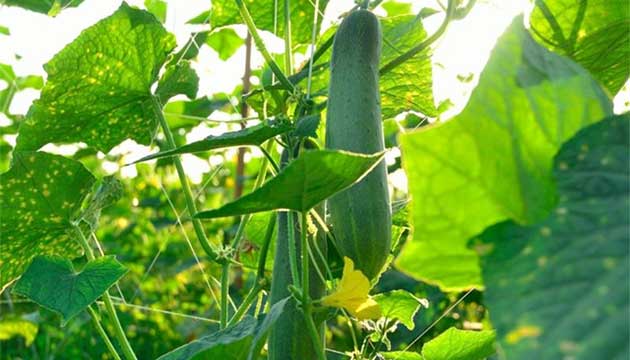
How To Suppress Soil Pest and Disease Levels in Cucumbers to Below Economic Damage

Cucumbers are highly susceptible to soil-borne pests and diseases, with even moderate levels capable of causing significant economic loss. Effective soil management prior to planting is critical to protecting yield and quality.

1/13/2026
Managing Plant Parasitic Nematodes in California Specialty Crops with  Soil Fumigation
Managing Plant Parasitic Nematodes in California Specialty Crops with Soil Fumigation

Dr. Kristi Sanchez addresses how plant parasitic nematodes continue to challenge growers across California, affecting the underground root systems of many high-value crops in crops such as almonds, grapes, citrus, vegetables, and strawberries.

12/22/2025
Pistachio Soil Fumigation Research: Expanding into a Key California Crop

Our latest research in Fresno County looks at how soil fumigation supports Pistachios, one of California’s fastest-growing and most valuable crops, by improving root health, encouraging early tree growth, and managing plant-parasitic nematodes.

10/28/2025
Plasticulture Basics Part 1: Understanding Row Mulch in Agriculture

Plasticulture Basics Part 1 breaks down the role of row mulch in improving soil conditions, moisture retention, and overall crop performance.

Get the insights you need to choose the right solution for your operation.

3/31/2026
Why Smart Drip Irrigation is the Smartest Investment for Your Farm

Precision irrigation is more than just watering. With smart design, automation, fertigation, and quality components, drip irrigation becomes a complete crop management tool that saves water, reduces inputs, and drives higher yields. Discover why smart drip irrigation is the smartest investment:

9/3/2025
Celebrate Smart Irrigation Month with Triest

TriEst Ag Group proudly celebrates Smart Irrigation Month by helping growers maximize water-use efficiency every day. Smart Irrigation Month is a public awareness campaign to promote efficient water use. Smart Irrigation Month highlights effective practices and innovative technologies.

7/3/2024
The Badger Common’tater: An Interview with Josh Mays of Triest Ag Group

The July issue of the Wisconsin Potato and Vegetable Growers Association’s The Badger Common’Tater features a wonderful, in-depth interview with our own Corporate Agronomist, Josh Mays!

7/31/2023
Part II: A Deeper Look into Grafted Watermelon Production and Management

In this post we want take you through year 2 results and our findings into grafted watermelon production and management. The key focus points of the trial were increasing yields and maturity window of grafted plants using chloropicrin.

12/5/2022
A Deeper Look into Grafted Watermelon Production and Management

In our last blog we went over the obstacles that growers face in watermelon production and their potential solutions. In this video presentation we will take a deeper dive into why we recommend grafted plants and fumigation to boost your watermelon production.

10/14/2022
A Deeper Look into Grafted Watermelon Production and Management

In this blog and video presentation we will take a deeper dive into why we recommend grafted plants and fumigation as potential solutions to obstacles in watermelon production. I would like to focus on grafted plants as a tool and potential solution to grower obstacles.

10/14/2022
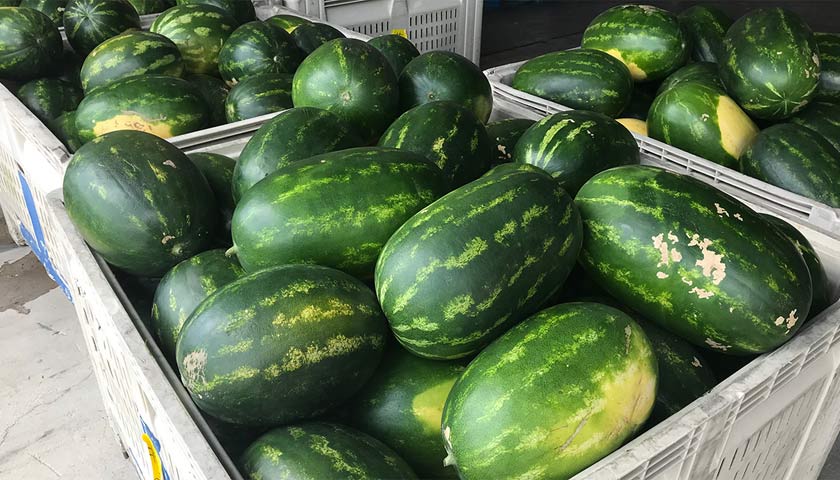
Overcoming Obstacles in Watermelon Production

Sustainable crop production is a complex issue that every farmer faces each season. The production issues for watermelon are not limited to those listed here by any means, but the following are the focal points of ongoing research..

6/27/2022
How To Distinguish Weather-Related Crop Injury From Disease

There has been outrageous weather in parts of our nation this year. “Bomb cyclones” were dropping hsnow and unleashing winds. Historically huge snowstorms paralyzed all transportation and interfered with daily tasks. Cold-paralyzed iguanas were falling from trees in Florida!

3/9/2026
Honoring Steve Koike

As Steve Koike enters retirement, we’re honored to spotlight his lasting impact on plant pathology. The TriCal blog highlights Steve’s decades of leadership, service, and contributions to the agricultural community, including his time with UC Cooperative Extension and TriCal Diagnostics.

1/21/2026
California Faces an Average of 9 New Invasive Species Each Year

California faces an average of 9 new invasive species each year, living below the soil surface, quietly impacting crops long before problems become visible. As part of a broader soil health strategy, soil fumigation can help manage certain soil-borne pest pressures.

1/16/2026
Common Myth: TELONE™ by Teleos “Wipes Out” Life in the Soil

Independent third-party studies and numerous global trials show TELONE™ doesn’t sterilize the soil—but rather, it supports a diverse and highly functioning microbiome.

11/3/2025
TriCal Australia

TriCal Australia was established as SA Rural Agencies in 1987 which became AGAS Rural in 2012. Joining the TriCal Group of Companies in 2019, TriCal Australia continues its history of providing innovative and dependable fumigation products and services to the Australian fumigation, agriculture, pest control and quarantine community.

8/8/2019