As Steve Koike enters retirement, we’re honored to spotlight his lasting impact on plant pathology. The TriCal blog highlights Steve’s decades of leadership, service, and contributions to the agricultural community, including his time with UC Cooperative Extension and TriCal Diagnostics.
Read More
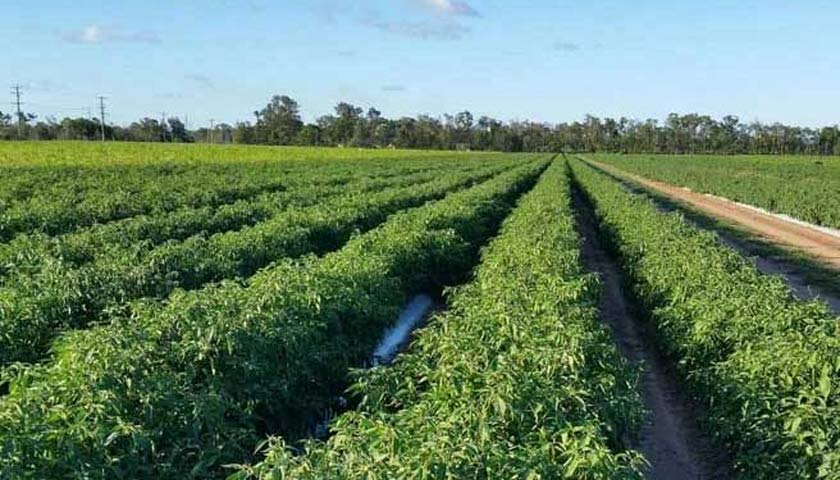
TriCal Australia knew it could help solve yield problems on an onion farm in Myalup, WA. Soil health was deteriorating, with higher rates of Pink Root, Rhizoctonia, Fusarium, Verticillium wilts, Sclerotinia, Pythium, and parasitic nematodes all being detected in soil DNA tests.
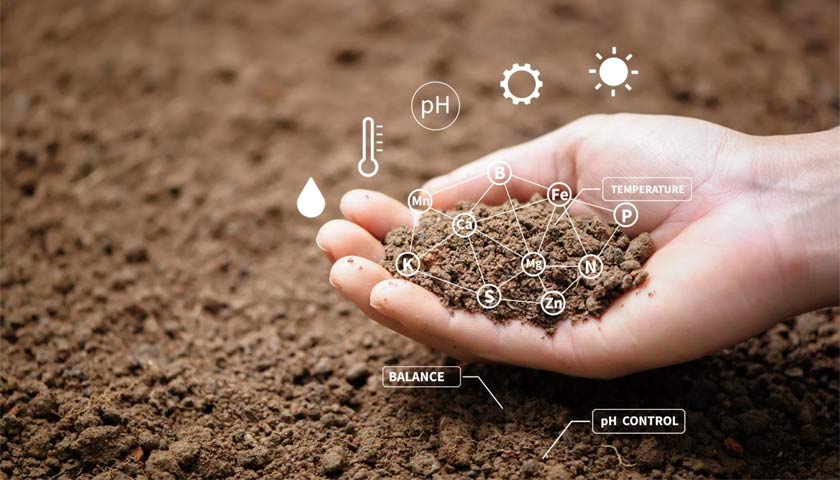
Healthy soil is the foundation for successful agricultural production. One factor that can inhibit soil health is plant parasitic nematodes. Ee will discuss the importance of soil health, how nutrient cycling affects soil health, and the importance of soil fumigation in controlling nematodes.
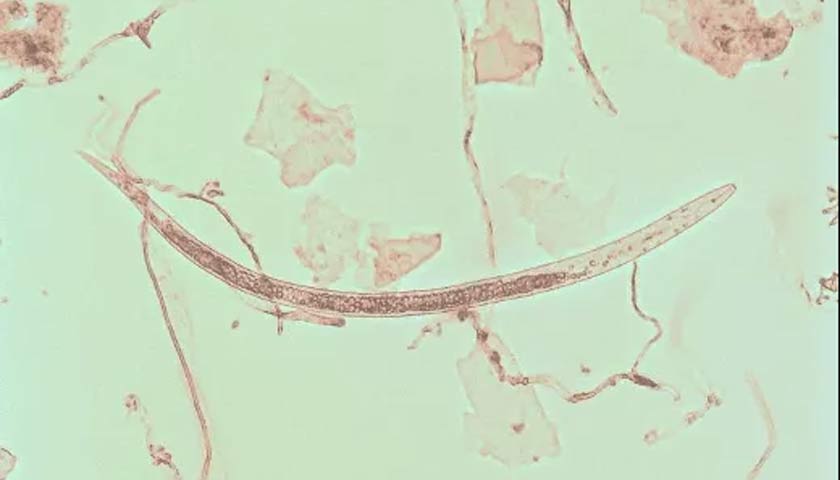
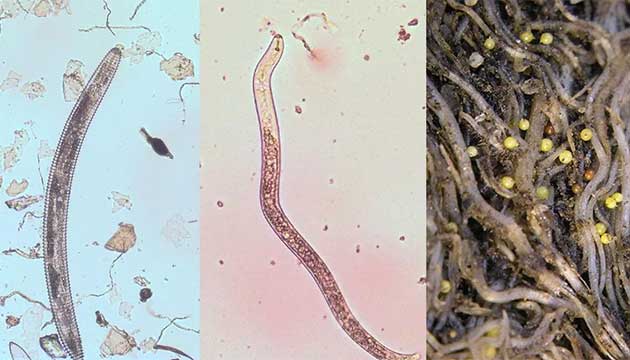
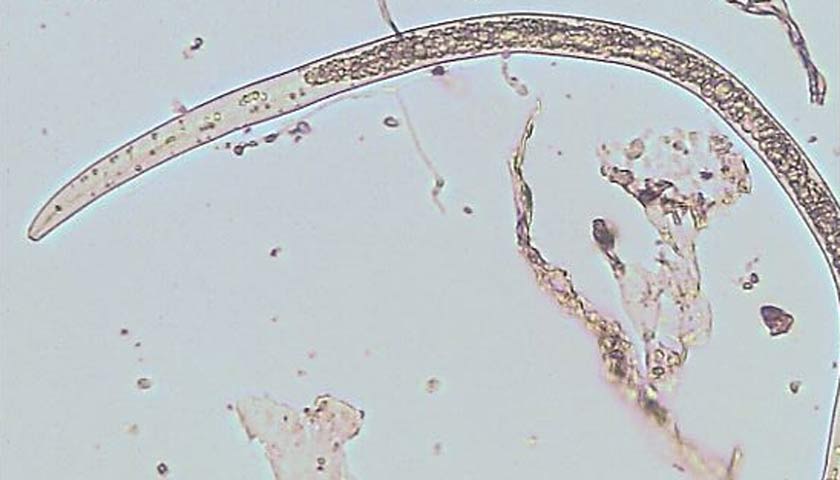
Nematodes are incredibly diverse, thread-like roundworms that live in a wide range of soils. Mostly microscopic in size, nematodes have varied methods of survival. A majority of nematodes are microbial feeders found in the soil. They can feed on diverse food sources, including bacteria, fungi, and even other nematodes!
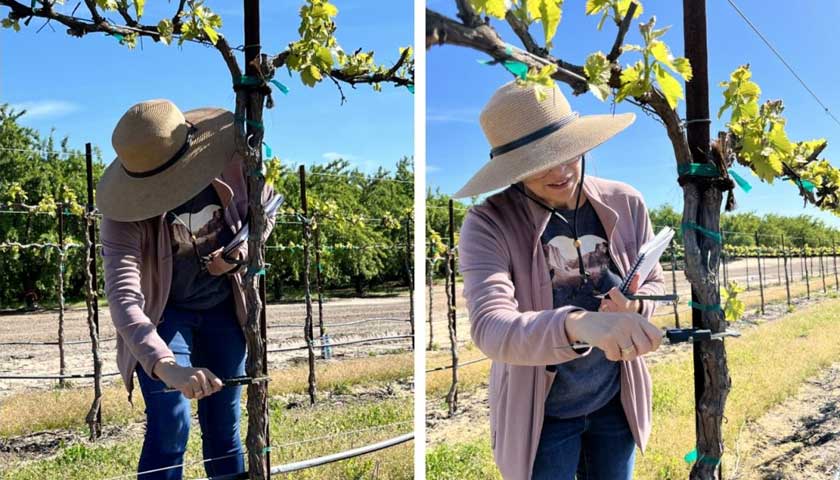
It was an honor to get invited by one of our Scientists, Dr. Kristi Sanchez. It was remarkable to see her in action out in the field, doing what she does best: helping diagnose nematode issues and providing support to growers throughout the Central Valley.
Agricultural diseases can decimate your crop if you don’t take the proper preventative steps. Nematodes and other soilborne diseases need to be stopped in their tracks—and the right soil fumigation techniques can make all the difference.
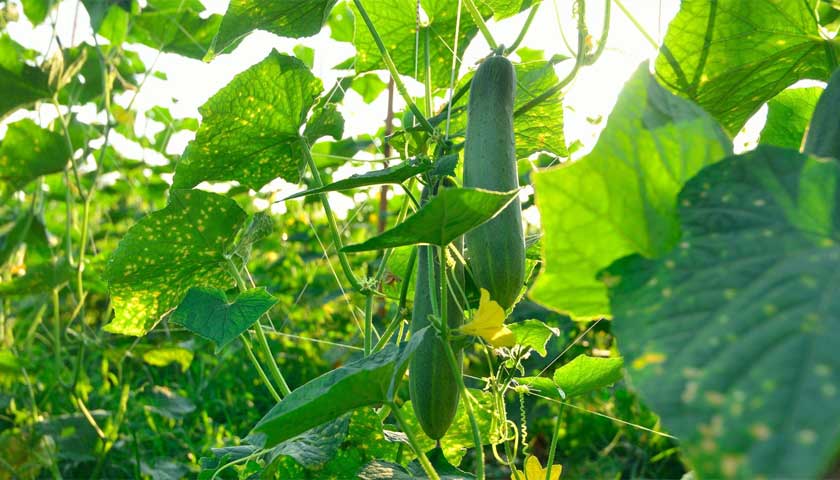
Cucumbers are one of the most pest and disease susceptible vegetable crops and are sensitive to Nematodes, Rhizoctonia and Pythium levels. Moderate numbers of each detected on the SARDI DNA tests will cause economic damage and result in yield losses.
Watermelons are a popular crop in Japan. Unfortunately, they are also highly susceptible to destructive root-knot nematodes which negatively impact overall yields and fruit quality. Japanese growers know that nothing is more effective against nematodes than TELONE™!
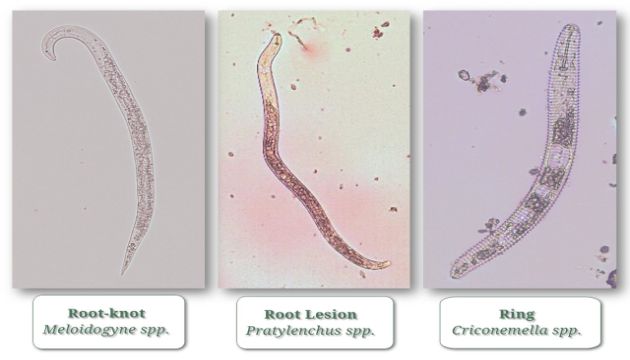
Plant-parasitic nematodes are some of the most destructive pests in agriculture. With over 4,000 species of plant-parasitic nematodes worldwide, identifying and managing the right ones in your fields is crucial.
For growers, managing soil pests like nematodes, fungi, and organisms can mean the difference between a robust harvest and significant losses. TELONE™ soil fumigant comes into play, offering a solution for controlling a broad spectrum of nematodes and soil-borne pests..
Chloropicrin has been a trusted soil fumigation solution for over 60 years, helping specialty crop growers around the world maximize yields and maintain healthy soils. But what makes it such a powerful tool? Here’s a closer look at some of its benefits:
Soil fumigation is a pre-planting practice that works by penetrating throughout the soil profile to address threats like nematodes, fungi, bacteria, and insects, creating a pathogen-free root zone, soil fumigation lays the foundation for a healthier growing environment.
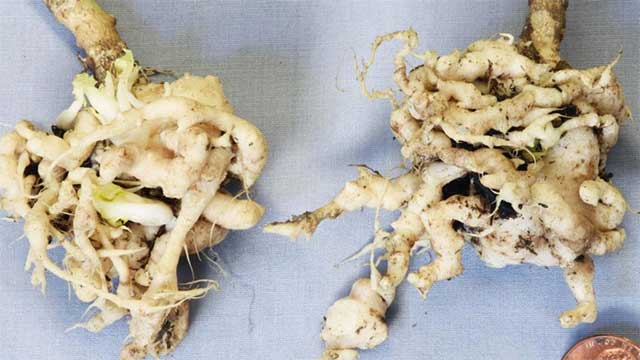
Nematodes are a common pest in potato-growing areas, particularly in the Pacific Northwest. They are typically found in coarse-textured, sandy soils. Above ground symptoms can range from stunted growth and wilting under moisture stress, accompanied by distinct galls on potato tubers.
Black dot has historically been overlooked in potato seed production. Recent research shows that black dot, caused by the fungus Colletotrichum coccodes, working synergistically with Verticillium dahliae and root-lesion nematodes to weaken plants and reduce yields.
As spring approaches, it’s essential to prepare fields for planting by effectively managing soil-borne pests, particularly nematodes. This blog post outlines steps to ensure successful fumigation, including soil sampling, using pre-application checklists, and monitoring soil moisture levels.
Soil fumigation is a pre-planting practice that involves injecting fumigants into the soil to target harmful soil-borne pests and pathogens. This process works by penetrating throughout the soil to target nematodes, fungi, bacteria, and insects, which can hinder plant development.
In modern agriculture, the efficient use of resources is paramount. Growers seek ways to optimize water and fertilizers while maintaining or enhancing crop yields. By applying TELONE™ before planting roots can develop without the hindrance of pests.
Plant-parasitic nematodes are known as hidden enemies and restrain carrot production in the United States. In Georgia, carrots are among the most seriously affected vegetables due to heavy infestation of root-knot nematodes, causing especially severe problems in all carrot-growing areas.
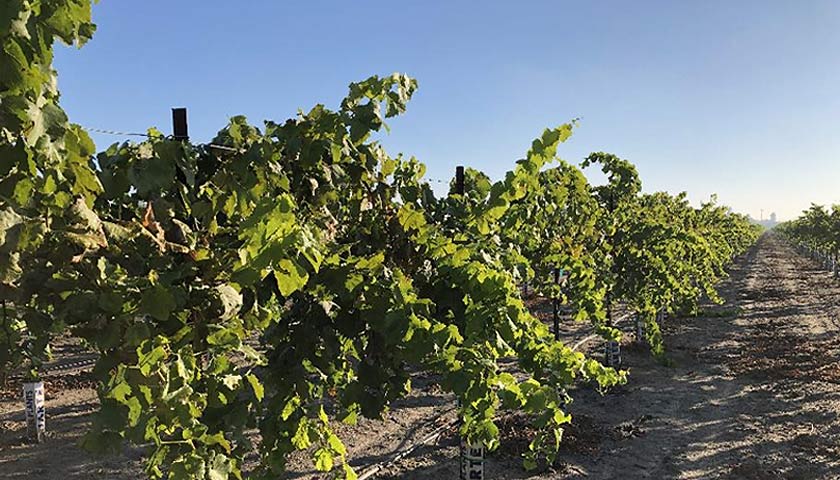
Dr. Kristi Sanchez addresses how plant parasitic nematodes continue to challenge growers across California, affecting the underground root systems of many high-value crops in crops such as almonds, grapes, citrus, vegetables, and strawberries.
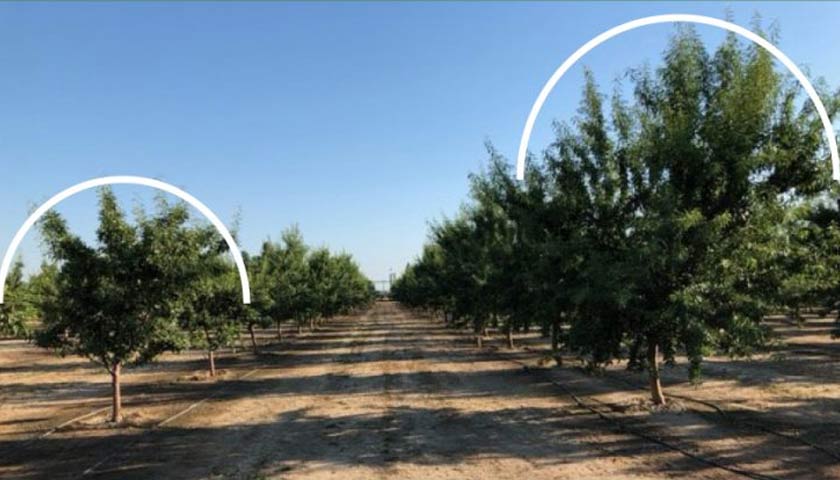
Nematodes can severely impact almond orchards in California, especially in replant situations where Prunus Replant Disorder affects up to 60% of plantings. Soil fumigation helps reduce nematodes, promote root development, and support long-term orchard performance.
As Steve Koike enters retirement, we’re honored to spotlight his lasting impact on plant pathology. The TriCal blog highlights Steve’s decades of leadership, service, and contributions to the agricultural community, including his time with UC Cooperative Extension and TriCal Diagnostics.
Plant diseases are one of the most challenging obstacles facing growers. A biological reality is that if a farmer grows the same crop too many times, and if the farmer puts in the same crop too often over a short period of time, pathogens will be harder to manage.
A greenhouse capsicum trial on the Adelaide Plains evaluated the effectiveness of pre-plant soil fumigation with Strike 60 for managing Root Knot Nematodes and improving crop performance. Weekly soil testing was conducted to measure nematode suppression and crop response under controlled greenhouse conditions.
In California, nematodes can significantly impact crop production. They cause considerable damage to plant roots, disrupting the uptake of water and nutrients, resulting in reduced crop yield. For pre-treatment control soil fumigation is a vital management tool for growers.
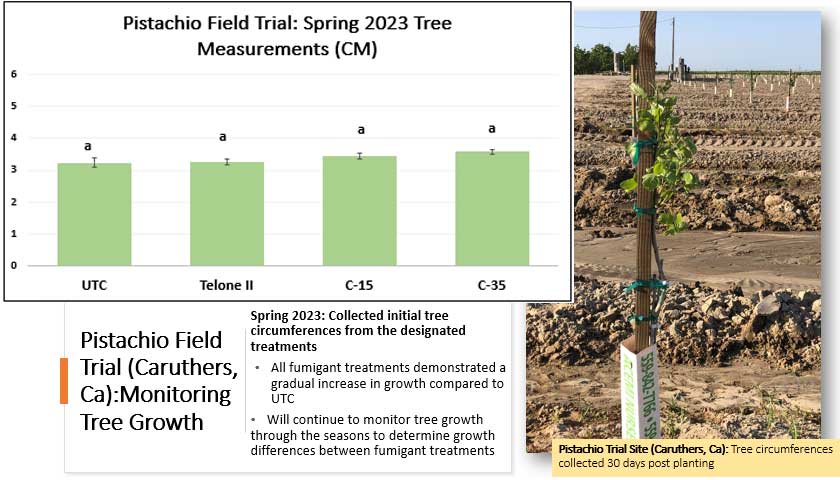
We established 2 multi-year field trials in Fresno County California, one trial taking place in Firebaugh, and the other in Caruthers, both led by TriCal PCA-Victor Rodriguez to examine the benefits of TELONE™ and Chloropicrin providing early rootstock establishment..
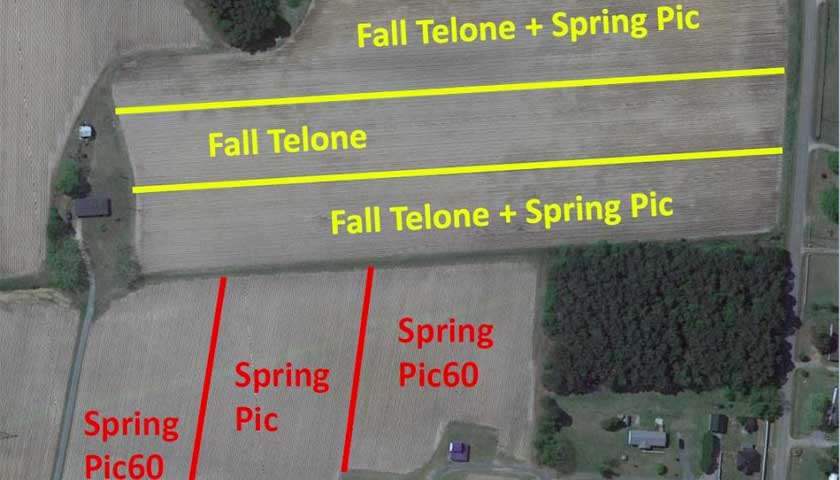
This project was established in East Central NC originally in 2021 to evaluate the effects of TELONE ™ II and Chloropicrin (PIC) on nematode suppression in Tobacco, Granville wilt suppression, and tobacco yield and quality. Is it possible to stagger harvest between the products?
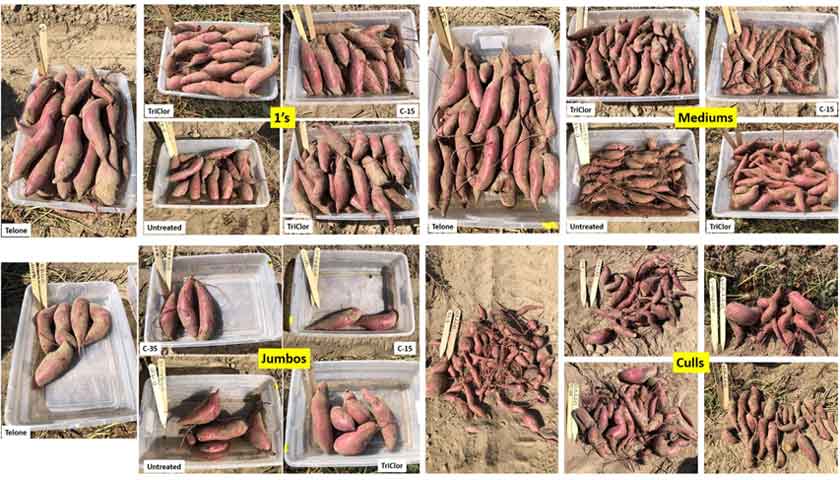
Nematodes are a common pest in sweetpotato-growing areas. This blog post will cover most common and destructive nematode affecting sweetpotatoes in North Carolina—the guava root-knot nematode— and recap a sweetpotato field trial that was done to demonstrate TELONE™ efficacy.
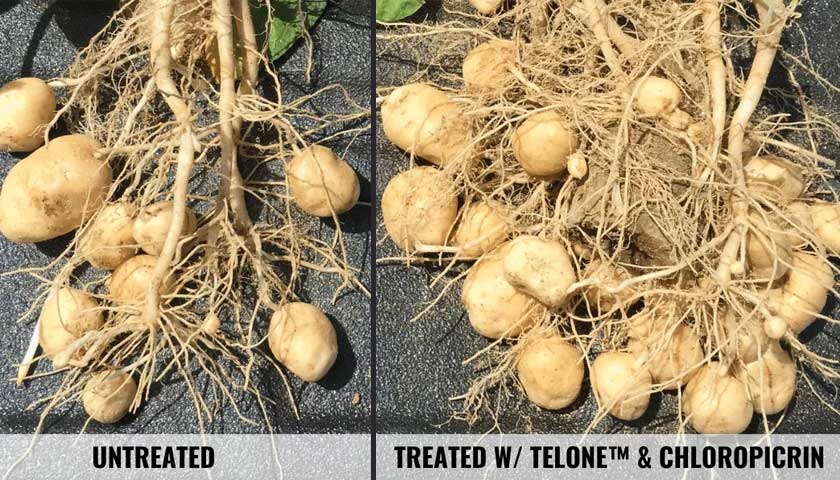
Nematodes are a common pest in potato-growing areas, particularly in the Pacific Northwest. This blog post will cover common nematodes affecting potatoes in the Pacific Northwest, and recap a potato field trial that was done to demonstrate TELONE™ efficacy.
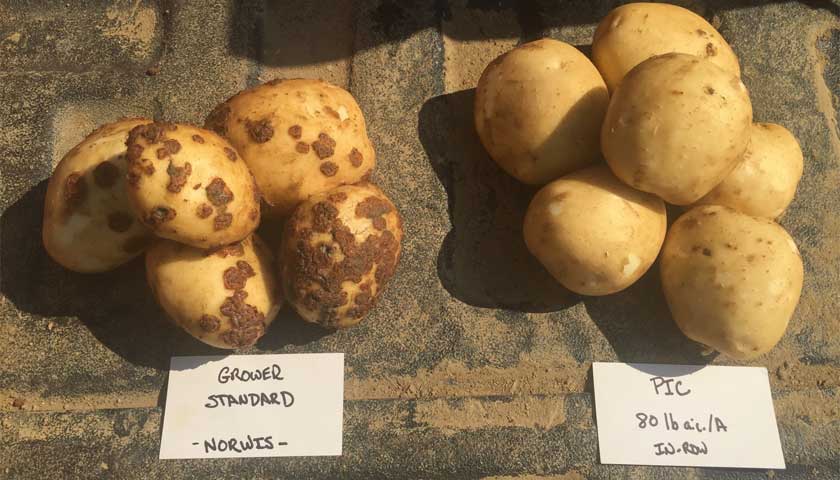
Potato Harvest Trial Harvest digs in New York. Looking at Russets, Whites, and Yellows with multiple rates of chloropicrin against non-treated. We look at suppressing verticillium wilt, nematodes, & common scab. This is a fresh market grower so skin quality and size profiles matter.
Our latest research in Fresno County looks at how soil fumigation supports Pistachios, one of California’s fastest-growing and most valuable crops, by improving root health, encouraging early tree growth, and managing plant-parasitic nematodes.
A greenhouse capsicum trial on the Adelaide Plains evaluated the effectiveness of pre-plant soil fumigation with Strike 60 for managing Root Knot Nematodes and improving crop performance. Weekly soil testing was conducted to measure nematode suppression and crop response under controlled greenhouse conditions.
Dr. Chad Hutchinson reviews how soil fumigation with Chloropicrin helps tackle potato scab, black dot, rhizoctonia, verticillium wilt, and nematodes while positively impacting overall soil health.?
A long time ago, when Sam stopped using Telone for 4 years, he found that nematodes and diseases increased and nematicides did not control the cycle of nematodes. With further agronomy testing they found the exact and were able to tackle the issue head on.
Potato Growers love seeing dual-application fumigation in process, and this view from above is even better. Check out this dual-application of TELONE™ (to combat nematodes) and chloropicrin (to target soil-borne diseases) on potatoes in Hastings, Florida.